
Balanced Scorecard and Its Role in Turning Strategy into Measurable Results

An institution may adopt a clear strategy after thorough analysis, yet months later departments can become absorbed in daily priorities and lose the link between plan and execution. The issue may begin when objectives are not connected to ownership, initiatives, resources, and review. Balanced Scorecard translates strategic direction into linked objectives, measures, targets, and initiatives, […]
ESG in Institutions: What It Means and Why It Matters for Sustainability

Two institutions can invest in similar sustainability initiatives and still see very different results. What often makes the difference is how well each one identifies its real priorities and measures progress against them. For an industrial institution, the focus may fall on water use and energy efficiency. A technology institution may face a very different […]
Strategic Management Office: Its Real Role and How It Differs from a Project Management Office

An institution may have a clear strategic plan, ambitious goals, and several initiatives in motion, then later realize that the outcomes are not as expected. The issue is not always the plan itself. In many cases, the gap appears because there is no clear function responsible for following up on execution, linking initiatives to goals, […]
Project Management and Key Practices for Ensuring Project Success and Achieving Objectives
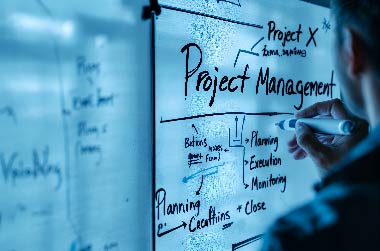
A promising opportunity does not become a successful project by execution alone. It needs clear objectives, defined responsibilities, a realistic timeline, and follow-up that prevents small deviations from becoming costly setbacks. This is where Project Management becomes essential. It helps institutions turn plans into measurable results, use resources efficiently, and maintain control over time, cost, […]
EFQM Excellence Model and Its Role in Achieving Institutional Excellence

An institution may launch improvement initiatives without seeing a clear impact when they are not connected to a structured framework. Real development starts by knowing the current position, defining what needs improvement, and measuring progress. The EFQM Excellence Model helps institutions assess performance, connect leadership with strategy and operations, and build a more mature path […]
Organizational Excellence and the Key Strategies for Sustainable Success

An institution may achieve strong results for a period of time, yet struggle to maintain them when success depends on individual effort or temporary market conditions. Sustainable progress requires clear leadership, connected operations, reliable data, and a work culture that protects quality during growth and change. This is where Organizational Excellence becomes essential. It helps […]
GRC in Modern Institutions and Its Importance in Risk Management
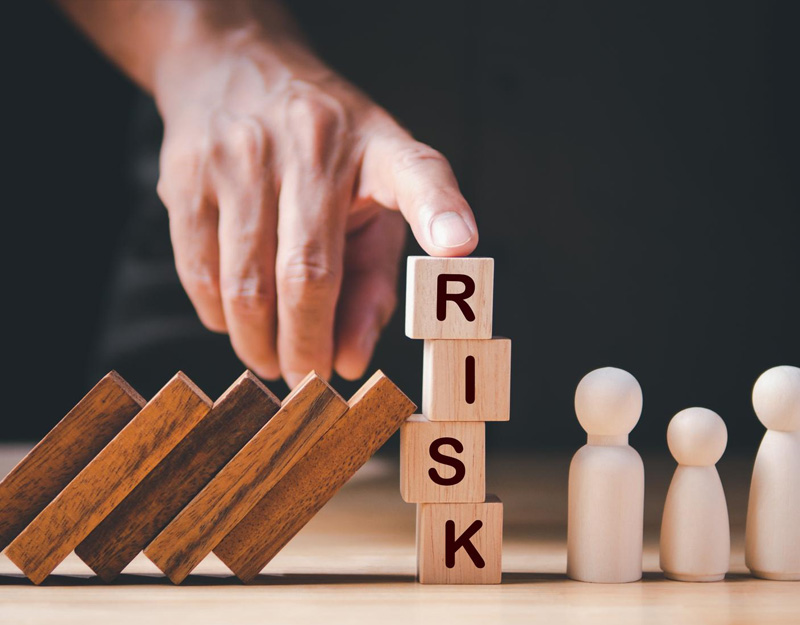
Modern institutions face complex decisions, regulatory requirements, and risks from operations or market changes. This increases the need for clear authority, follow-up, and risk-aware decisions. GRC, which refers to governance, risk management, and compliance, helps institutions address these areas as interconnected paths that support stable performance. Its value lies in bringing them into a single […]
Performance Appraisal Criteria and Their Role in Institutional Development

Departments inside any institution may put real effort into improving work, yet still struggle when performance is judged mainly through general impressions. Work may look stable on the surface, while gaps continue to appear in productivity, service quality, task completion, or the way roles and responsibilities are distributed. This is why institutions need clear performance […]
Management Consulting as a Strategic Tool for Improving Efficiency and Strengthening Institutional Competitiveness

Institutions today face increasing pressure driven by market change, rising stakeholder expectations, stronger competition, and the constant need to improve performance. For this reason, management consulting has become a strategic tool that helps institutions understand their current reality, identify performance gaps, and turn challenges into practical opportunities. The value of consulting is not limited to […]
Corporate Governance as a Foundation for Asset Protection, Sustainable Growth, and the Future of the Institution

Institutions seeking sustainable growth in a constantly changing operational environment require a clear system that controls decisions, protects assets, and connects operational performance with long-term objectives. This is where Corporate Governance becomes an effective management framework. It helps institutions organize authority, define responsibilities, improve transparency, and reduce internal risks. When governance is applied properly, it […]