Agile Governance in Fast-Moving Institutions

A decision framework may become outdated way faster than the strategy that was designed to support it. Market conditions shift, technology changes, and new risks emerge, while approval paths and review cycles often remain unchanged. Agile governance addresses this gap by adapting decision rights, review frequency, and control intensity to the nature of the decision. […]
PMO Establishment in a Saudi Government Entity: A Step-by-Step Guide

A PMO usually never begins with a job title or a software purchase. In a Saudi government institution, the first step for you is to define why the office is needed, which projects it will cover, and what authority it requires. Government projects operate within budget, procurement, governance, and oversight requirements. EXPRO’s National Project Management […]
P3M3 Framework for Measuring and Improving Organizational Management Maturity

An institution may deliver several successful projects and still struggle to manage interconnected programs or an integrated portfolio consistently. Some teams may follow clear processes while others work differently, or project governance may be strong while benefits, resources, or stakeholder management remain less mature. P3M3 assesses how firmly project, program, and portfolio management practices are […]
How GRC Helps Institutions Unify Governance, Compliance, and Decision-Making

An institution may have clear policies, a risk register, and an active compliance team, yet management can still receive an incomplete picture when a decision is needed. Risk management may record a risk, compliance may track a related requirement, while another function operates the relevant control with no clear link between them. The result is […]
PRINCE2: Project Management Methodology, Core Principles, and Importance
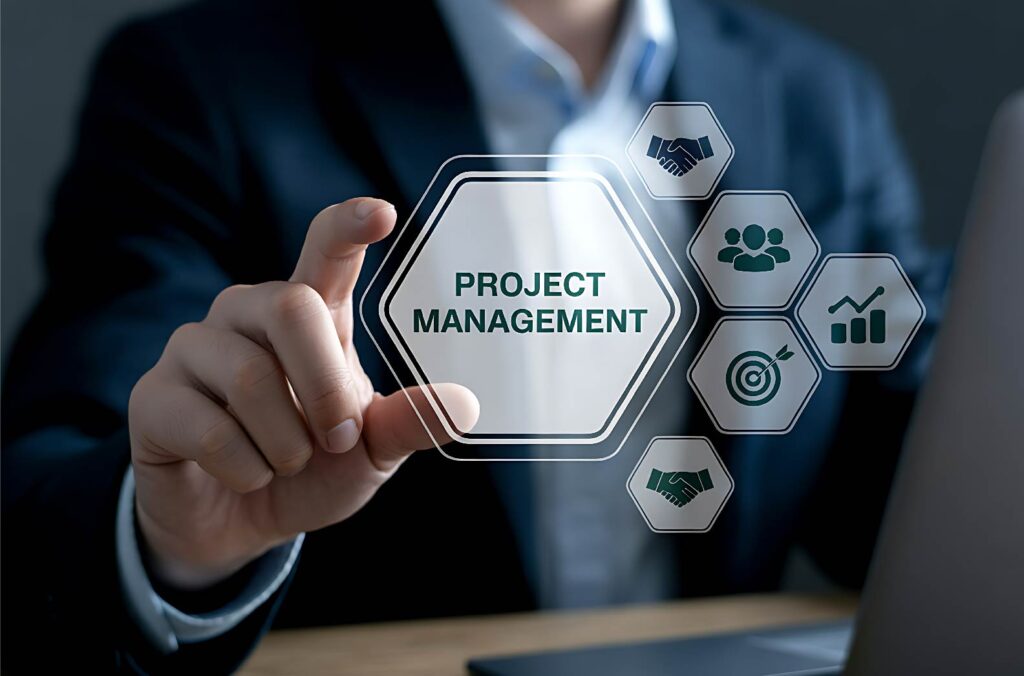
A project may begin with a clear plan and a capable team, yet problems can emerge with an out-of-scope request, delayed decision, or rising costs. The issue may lie in unclear authority, weak escalation rules, or uncertainty over whether continued investment is justified. PRINCE2 addresses these issues through defined controls, responsibilities, and decision points across […]
Balanced Scorecard and Its Role in Turning Strategy into Measurable Results

An institution may adopt a clear strategy after thorough analysis, yet months later departments can become absorbed in daily priorities and lose the link between plan and execution. The issue may begin when objectives are not connected to ownership, initiatives, resources, and review. Balanced Scorecard translates strategic direction into linked objectives, measures, targets, and initiatives, […]
ESG in Institutions: What It Means and Why It Matters for Sustainability

Two institutions can invest in similar sustainability initiatives and still see very different results. What often makes the difference is how well each one identifies its real priorities and measures progress against them. For an industrial institution, the focus may fall on water use and energy efficiency. A technology institution may face a very different […]
Strategic Management Office: Its Real Role and How It Differs from a Project Management Office

An institution may have a clear strategic plan, ambitious goals, and several initiatives in motion, then later realize that the outcomes are not as expected. The issue is not always the plan itself. In many cases, the gap appears because there is no clear function responsible for following up on execution, linking initiatives to goals, […]
Project Management and Key Practices for Ensuring Project Success and Achieving Objectives
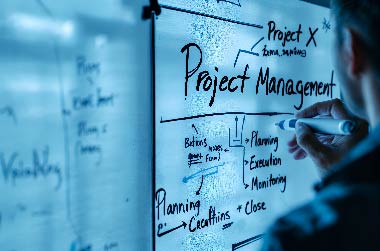
A promising opportunity does not become a successful project by execution alone. It needs clear objectives, defined responsibilities, a realistic timeline, and follow-up that prevents small deviations from becoming costly setbacks. This is where Project Management becomes essential. It helps institutions turn plans into measurable results, use resources efficiently, and maintain control over time, cost, […]
EFQM Excellence Model and Its Role in Achieving Institutional Excellence

An institution may launch improvement initiatives without seeing a clear impact when they are not connected to a structured framework. Real development starts by knowing the current position, defining what needs improvement, and measuring progress. The EFQM Excellence Model helps institutions assess performance, connect leadership with strategy and operations, and build a more mature path […]