P3M3 Level 5: Lessons from ZATCA That Any Government Institution Can Apply

In July 2025, Saudi Arabia’s Zakat, Tax and Customs Authority (ZATCA) announced that it had achieved Level 5 in P3M3, following its predecessor’s Level 4 achievement in 2020. The progress between these milestones offers valuable lessons for government institutions seeking to strengthen their management capabilities. Established procedures, regular reporting, and performance measurement are important, yet […]
Project Management or a Strategy Management Office: Where Should Your Institution Start?

In a routine leadership meeting, you may face two options for your institution: strengthen project management or establish a strategy management office. Some projects run late despite clearly defined priorities. In other cases, initiatives finish on schedule, yet the results they were supposed to achieve have barely changed. The problems may look similar in a […]
PMO Responsibilities: Unrealistic Expectations That Undermine the Office from Day One

A PMO may be set up to struggle before it even begins operating. PMO responsibilities may be defined in the establishment charter, yet leadership expects the office to guarantee project delivery, secure resources from departments, and accelerate approvals beyond its authority. When a project falls behind, the PMO takes the blame for decisions it could […]
P3M3 and ROI: Turning Maturity Assessment into Smarter Financial Decisions

P3M3 helps institutions uncover what project reports often miss: value lost through rework, weak cost estimates, delayed decisions, or initiatives that no longer deserve priority. Its financial value emerges when maturity gaps become measurable cost exposure, and the cost of improvement is compared with expected benefits. Return on investment can then support the funding decision […]
Agile Governance in Fast-Moving Institutions

A decision framework may become outdated way faster than the strategy that was designed to support it. Market conditions shift, technology changes, and new risks emerge, while approval paths and review cycles often remain unchanged. Agile governance addresses this gap by adapting decision rights, review frequency, and control intensity to the nature of the decision. […]
PMO Establishment in a Saudi Government Entity: A Step-by-Step Guide

A PMO usually never begins with a job title or a software purchase. In a Saudi government institution, the first step for you is to define why the office is needed, which projects it will cover, and what authority it requires. Government projects operate within budget, procurement, governance, and oversight requirements. EXPRO’s National Project Management […]
P3M3 Framework for Measuring and Improving Organizational Management Maturity

An institution may deliver several successful projects and still struggle to manage interconnected programs or an integrated portfolio consistently. Some teams may follow clear processes while others work differently, or project governance may be strong while benefits, resources, or stakeholder management remain less mature. P3M3 assesses how firmly project, program, and portfolio management practices are […]
PRINCE2: Project Management Methodology, Core Principles, and Importance
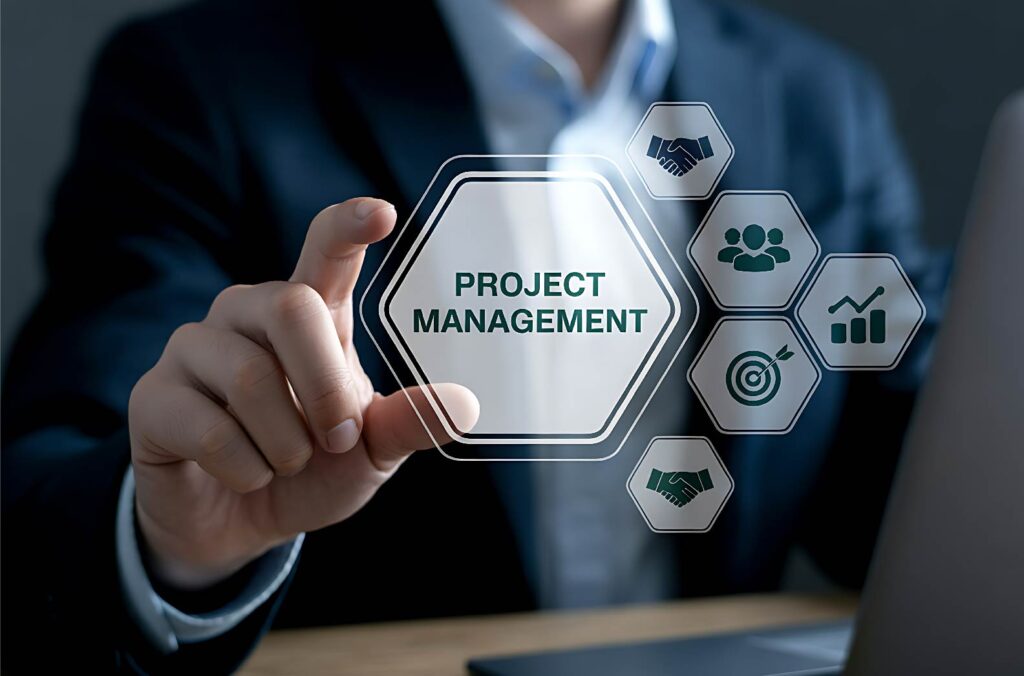
A project may begin with a clear plan and a capable team, yet problems can emerge with an out-of-scope request, delayed decision, or rising costs. The issue may lie in unclear authority, weak escalation rules, or uncertainty over whether continued investment is justified. PRINCE2 addresses these issues through defined controls, responsibilities, and decision points across […]
ESG in Institutions: What It Means and Why It Matters for Sustainability

Two institutions can invest in similar sustainability initiatives and still see very different results. What often makes the difference is how well each one identifies its real priorities and measures progress against them. For an industrial institution, the focus may fall on water use and energy efficiency. A technology institution may face a very different […]
Project Management and Key Practices for Ensuring Project Success and Achieving Objectives
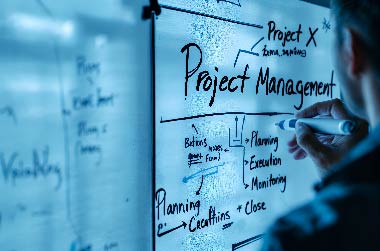
A promising opportunity does not become a successful project by execution alone. It needs clear objectives, defined responsibilities, a realistic timeline, and follow-up that prevents small deviations from becoming costly setbacks. This is where Project Management becomes essential. It helps institutions turn plans into measurable results, use resources efficiently, and maintain control over time, cost, […]